
Stop fixing product data one SKU at a time
Proton PIM finds the specs your catalog is missing, writes the descriptions, and cites a source for every value. Your team reviews changes and publishes approved content across your sales channels.



From scattered files to a catalog your team can maintain
Your item master starts the record. Bring supplier details, category rules and approved content together, so buyers can choose and reps can answer with less digging.
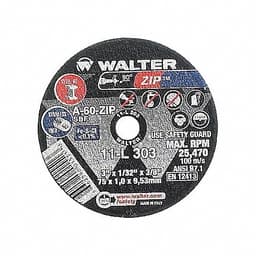 Cut-off wheel2/6GritArbor+2
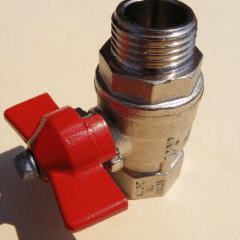 Ball valve4/6Pressure+1
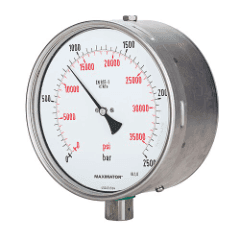 Pressure gauge5/6RangeWalter cut-off wheelWalter cut-off wheelWALTER 11L303 ABR CUT OFF WHL T1 3XWalter Type 1 Cut-Off Wheel, 3 in
Aluminum oxide wheel for fast, clean cuts in steel.
Walter cut-off wheelHear it from a distributor
“Beforehand, depending on the amount of SKUs, it could have taken a week, two weeks to gather all the relevant information and images. Now with the PIM, farm to table, it could be a matter of hours.”
Ben Kuhns
VP of Sales & Marketing, Dakota Riggers

- Active SKUs in Dakota Riggers’ PIM enrichment project
- 16,000+
- Product attributes generated in one click
- ~50
- of SKUs had useful content before Proton
- <5%
Better product data earns its keep
Help buyers find the right product
Consistent attributes make search and filters more useful.
Better SEO and AI visibility
Give buyers and search tools clear specs and descriptions.
Less research for reps
Answer product questions without hunting down the same spec sheet.
A stronger foundation for agents
Give connected AI agents approved product facts to use in answers and actions.
Every missing spec found, sourced, and ready to approve
Here’s what AI can do for your product record
Fills missing specs
Every value links to the spec sheet it came from.
Cleans up attributes
Voltage, volts, and VOLTAGE become one filter.
Writes for each channel
Your website and ERP alike.
Everything you expect from a PIM, built for distributors
One clean record for every SKU, in catalogs of nearly 400,000.
Where does your product data live today?
Pick the one closest to yours, even if you have a mix. Each path ends in approved records your team can sell from.
Enrich SKUs with AI for records you can sell from
Many item masters hold little more than a part number, a short description and a cost.
Dakota Riggers started from its item master, sending Proton its active and inactive SKU lists. Read the story
- 1Export your item masterStart from the SKU list your ERP already holds.
- 2Find the missing specsAI agents search manufacturer documentation and propose values with sources.
- 3Approve before you publishCheck each proposed value against its source, then publish what you approve.
Pull scattered spreadsheets into one clean catalog
Product data is spread across files, with the same spec written different ways.
- 1Import your spreadsheetsBring the files you have and keep the data that’s already right.
- 2Standardize names and valuesEach file lines up with your category attributes.
- 3Fill gaps, with sourcesMissing specs are proposed for your team to check.
Map supplier feeds to your catalog’s structure
Each supplier names fields its own way, so feeds can’t go straight into your catalog.
- 1Import supplier filesBring in supplier price files and feeds.
- 2Map to your taxonomySupplier fields are matched to your categories and attributes.
- 3Approve the updatesSee gaps and changes, then approve what goes into your catalog.
Keep your PIM and fill in what’s missing
You have the system, but records still lack the specs buyers filter on.
- 1Connect your PIMUse Proton as an enrichment layer alongside it.
- 2Fill the gapsMissing specs and descriptions are proposed for review.
- 3Send approved data backApproved content goes back into your PIM by API or file export.
Start with PIM, then add modules as needed
Use PIM on its own above your ERP. Add modules that share its approved product content, so agents can work across them. Pricing AI, Inventory AI, Sourcing and Order Management are coming soon.
Put your product data on autopilot
Enrich product records, manage category attributes, and review content before it reaches your selling systems.




Proton PIM is product information management software built for distributors. It collects, organizes, enriches and distributes the product content buyers and reps need: descriptions, specifications and structured attributes. It is useful when incomplete records or inconsistent supplier data make products harder to find, explain or sell, and your team spends too much time tracking down the details.
No. Proton PIM connects to any ERP and works alongside your storefront. Your ERP continues to manage pricing, inventory and transactions; Proton enriches the product content used to sell those items. Proton can also feed approved content into a PIM you already have. During setup, we agree which system owns each field and how data moves between systems, using APIs or formatted file exports.
Yes. Proton PIM can start with your SKU list and short ERP descriptions, as well as any spreadsheets or supplier files you already have. You define what each product category needs, and Proton identifies missing information and proposes additions from available sources. You do not need a complete catalog before starting.
Proton PIM looks for product details on manufacturer websites and in PDF spec sheets, catalogs and other sources, alongside supplier files and item data you provide. It proposes missing specifications and records their sources. Descriptions are drafted from the specs on the record, using your terminology and tone.
Proton PIM links enriched values to their sources, so reviewers can inspect the evidence and accept, reject or edit proposed changes. You can also control which source domains are allowed. Your product experts make the final approval decisions before approved content is delivered to your catalog and connected systems.
Products without usable manufacturer documentation or other source material may need supplier outreach or manual research. Proton PIM can help organize the enrichment work, but the information available for each item determines how complete its record can become.
Yes. Your categories, required attributes and allowed values guide how Proton PIM organizes your catalog. Proton can bring together supplier files and enrich products in bulk, standardizing fields that arrive under different names, such as “voltage” and “volts.” If your category structure needs work, Proton can suggest cleanup.
Yes. Proton PIM gives you one place to define your categories and the attributes each category needs. AI suggests a category for uncategorized products, and your team approves them in bulk. You can merge duplicate attributes, set fixed value lists and units, and PIM flags values that don’t fit. A fill-rate view shows which attributes need the most work, and our team helps you build or rebuild the taxonomy during onboarding.
Your team sets the category standards: required attributes, allowed values and trusted sources. Proton PIM takes on the research and prepares sourced product records and draft descriptions for review. Bring a representative category, including difficult SKUs, to an evaluation. Compare the full process with your current approach, including corrections and approval, to see how much work it saves.
You can start Proton PIM with one or two priority categories and expand from there. Proton handles implementation and integrations in house, with a dedicated Customer Success Manager to help adoption. The plan covers starting data, category standards, review and destination systems. Agree on a milestone for the first category so you can assess usable output and review effort before expanding.
No. Approved Proton PIM records can feed quotes, reps, data feeds and your ERP, as well as your website. Consistent attributes support search and filters; richer descriptions give customers and search engines more useful information. Other Proton modules can use the approved records too. CRM, eCommerce AI and order automation are separate modules.
Compare research plus review time, record completeness and time to prepare products for sale. At Dakota Riggers, Ben Kuhns estimated that gathering product information could take hours with Proton PIM, compared with a week or two previously. Use your own category evaluation to value capacity gained or a planned hire avoided, then compare that with project cost. Track online search and conversion changes against your baseline where relevant.
Proton has a SOC 2 Type II report your IT team can review through the Trust Center, and your data is never used to train AI models. Role-based access controls who can review, edit and approve product records.
A closer look at product data
 Customer story
How Dakota Riggers puts product data to work across its sales team
The family-owned rigging and safety distributor uses Proton PIM to enrich its item master, then puts the same product data in front of the team.September 24, 2026 Tech innovation
Product information management: best practices
Data governance, automated enrichment, and syndication — in the order that actually works. Industry insights
Best ERP software for distributors: an honest 2026 buyer’s guide
The tradeoffs nobody puts in the RFP, from a team that integrates with all of them.


